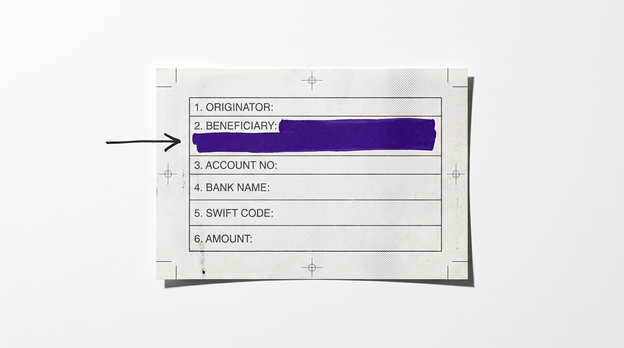
When an AI AML tool flags or clears a payment, the record you need is the AI AML audit trail: the data screened, model version, alert reason, reviewer action, final payment status, supporting callback or investigation evidence, and retention rule. One bound file has to defend why the money moved, stopped, or changed path.
Reconstruction beats confidence
A model score has value only if a reviewer can rebuild the payment decision from the inputs and actions around it. The file must make the sequence plain without relying on memory.
That is where AI governance becomes a payments control. The American Bankers Association told House Financial Services Committee members that Congress should establish a nationally harmonized, risk based framework for artificial intelligence in financial services, with consumer protection and cybersecurity outcomes, according to ABA Banking Journal.
That source does not tell a controller what PDF to save. It points to the habit that matters after the fact. The case has to show what the tool saw, who changed the disposition, and why the payment was released, held, canceled, recalled, or reissued.
An alert does not prove the payee is bad. A clear does not prove the payee is right. Both are decision inputs.
The harder question is whether the payment team preserved the facts that made the decision reasonable at the time. A screenshot of a score will not do that. A case note that says reviewed, with a name and a timestamp, will not do it either. The record has to bind the machine event, the human judgment, and the payment outcome.
What the AI AML audit trail has to contain
The record must preserve seven things: source data, model version, alert reason, human disposition, payment status, callback or investigation evidence, and the retention rule. If one of those pieces sits outside the file, the control is weaker than it appears.
- Data source: Payment operations records the system of record, feed name, timestamp, and fields the model used.
- Model version: Compliance or model risk records the version, ruleset, threshold, and release note tied to the decision date.
- Alert reason: AML operations records the reason code or explanation the tool produced, not a paraphrase written later.
- Human disposition: The reviewer records the decision, the rationale, the reviewer identity, and any escalation.
- Payment status: Treasury or payment operations records whether the payment was released, held, canceled, recalled, or reissued.
- Callback or investigation evidence: AP, treasury, or fraud operations attaches the callback log, vendor contact record, case notes, or bank response that supported the action.
- Retention: Legal, compliance, or records management sets the retention period and confirms the file can be produced without being rebuilt by hand.
This is simple on paper and brittle in production. The model may sit inside the AML platform. The payment instruction may sit in the bank portal. Vendor approval may sit in the ERP. Callback notes may sit in a ticketing tool, a shared mailbox, or an AP manager’s personal folder.
That split creates ordinary retention gaps. A bank portal can show that a wire was released without preserving the internal reason an alert was cleared. A ticket can show that AP called a vendor contact without preserving the account number screened by the tool. An ERP can show that a vendor was active without showing which payment instruction went out after the alert. Each system tells the truth it was built to tell. None of them owns the whole decision.
Collateral lenders have solved a similar record problem around physical goods. PYMNTS reported that Credem introduced a blockchain platform that records pledged Parmigiano-Reggiano wheels and allows their condition and location to be monitored in real time, in its report on Italy’s cheese bank. The lesson for a payments file is not the technology. It is the assignment of one shared record to the decision being financed or released.
Before the retention clock starts, treasury should force the scattered systems into one bound decision packet. Do it by policy, not by asking the next analyst to remember where the attachments live.
- Create the case ID at first alert or clear: The ID must travel into the AML case, ERP payment record, bank portal reference, and ticketing record.
- Name the binding repository: Pick the GRC tool, payment operations archive, or case management system that owns the complete file. Shared mailboxes do not count.
- Attach system exports as evidence: Save the model output, payment instruction, bank status, vendor master snapshot, and callback record into the binding repository.
- Record the evidence manifest: List each attachment, source system, owner, timestamp, and retention rule in the case record.
- Close the packet only after final status: The retention clock should start after the file shows release, hold, cancellation, recall, or reissue.
- Test retrieval quarterly: Ask someone outside the original review queue to produce the complete file from the case ID alone.
Weak inputs make strong scores brittle
Input provenance shows whether the model saw the same facts the business thought it saw. Without it, the score may look precise while the underlying record is partial, stale, or drawn from the wrong system.
The public record gives a useful warning on unverified narratives. ABA Banking Journal reported that the CFPB will cease publication of unverified complaint narratives and visualizations, saying the utility of publishing them is minimal while often causing confusion and providing misleading data, according to its report.
A payments case has the same weakness when notes are detached from source fields. A reviewer may write that the vendor was verified, but the file may not show which phone number was used, where that number came from, or whether the account number screened by the tool matches the account sent to the bank.
The familiar version for treasury and AP is quiet. Vendor name in the ERP. Account number in the bank portal. Sanctions result in the screening tool. Callback note in a ticket. Invoice memo in email. The model can consume some of that. It rarely owns all of it.
The file has to say what the model actually saw. It should not imply that the company’s full knowledge sat inside the score.
Measure the new workflow by the file
A new model or case workflow should be measured by whether it creates a complete decision record. If alert handling improves while evidence remains split across payment ops, AP, vendor master, and email, speed has improved more than control.
That is the practical test. Can a controller or treasury lead pull one case and see the source data, model event, reviewer action, final payment result, and supporting callback or investigation evidence? Can the company prove which model version was active that day? Can it show whether a human overrode the tool, and why?
If the file only works because one analyst remembers the case, it is not a file. If production depends on a vendor portal view that changes over time, retention has already become guesswork. A late export may help, but it should not become the first complete record.
Treat every model assisted payment decision as a recordkeeping event. The score may help the team decide. The bound file is what the team will have when the payment is gone.
Questions practitioners ask
What evidence belongs in the file after an AI clear?
Save the source data used by the tool, the model version, the reason for clearance, the reviewer or queue disposition, the final payment status, and any callback or investigation evidence. The file should show what was known at the time of the decision, not what the team reconstructed after a loss or dispute.
Who owns the record when a reviewer overrides the tool?
Ownership should be assigned before the first exception occurs. AML operations or compliance should own the disposition rationale, while treasury or payment operations should own the payment status. If AP or vendor management supplied callback evidence, that evidence should be attached to the same case record or linked under a governed retention rule.
How should treasury bind bank portal and ERP evidence?
Treasury should assign one repository as the binding case record, then attach exports or snapshots from the bank portal, ERP, AML tool, ticketing system, and vendor evidence. The case ID should appear in each system. The retention clock should not start until the final payment status and evidence manifest are present.
When should the retention clock start on the case file?
The retention clock should start only after the decision packet is complete. That means the file contains the model event, reviewer action, supporting evidence, and final payment status. Starting retention at alert creation can leave the company with a preserved alert but no defensible record of the release, recall, cancellation, or reissue.
Sources