Every business payment traverses six structural layers: origination, trust and verification, routing, settlement, execution, and reconciliation. Over the last fifteen years, the fintech ecosystem rebuilt five of them. Faster origination in the ERP. Smarter routing at the bank. RTP and FedNow at execution. Modern reconciliation in the finance stack. One layer was left untouched.
Banks and ERPs protect the payment rails. Nobody is protecting the instruction.
Coffr internal thesis memo
The layer nobody built
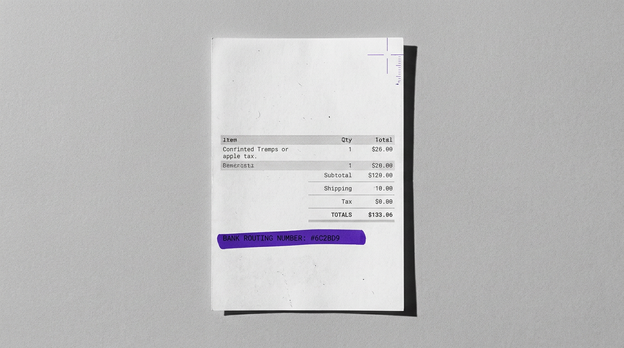
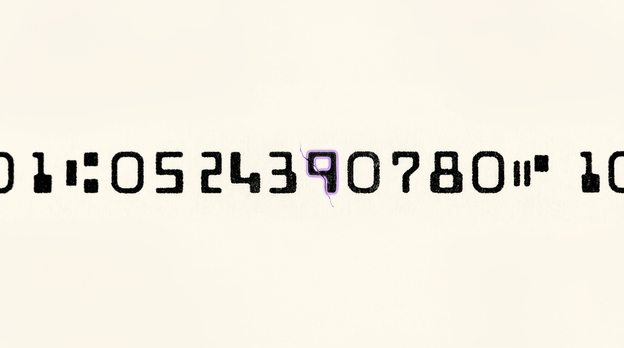
Layer 2, trust and verification, is the moment two parties exchange bank details and agree that the account on file is real. Today that moment happens in email attachments, PDF voided checks, and plain-text account numbers pasted into invoices. None of these carry cryptographic proof of origin, and none can be verified after the fact.
- Origination systems assume the vendor record is correct.
- Bank rails assume the routing and account numbers are correct.
- Nobody is authoritatively verifying the instruction between the two.
What a trust layer actually does
A payments trust layer sits inline between origination and execution. It validates counterparty identity, cryptographically binds account details to that identity, and produces an immutable audit trail every time an instruction is created, changed, or verified. Rails do not change. ERPs do not change. The instruction gets a provenance layer it never had.
This is the layer the industry has not built yet. Our research continues to focus on what it would need to prove, and on the failure patterns that keep making it necessary.
Sources
- Nacha Operating Rules
- FBI IC3 Annual Report
- Coffr architecture reference