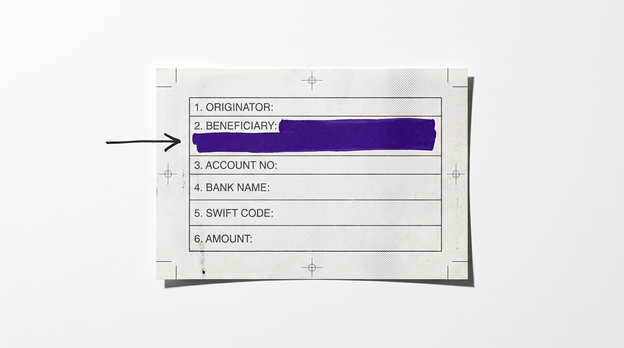
A payment file fraud investigation starts too late when the release record proves only processing. A cleared payment, matched invoice, and ERP approval show that the company moved money through its systems. They do not show that the named counterparty was entitled to funds, that a changed account was verified, or that an exception was owned before release.
Fraud.gov changes the evidence setting, not AP release
The public ledger does not alter an AP workflow. It changes the record a company may be measured against after a payment is pulled into an inquiry.
PYMNTS reported that the White House launched fraud.gov to track actions taken by its fraud task force and the dollar amounts recovered through those actions. The site, described as The Fraud Ledger, includes running totals, agency level totals, and individual enforcement actions organized by announcement date.
That is not a payment control. It is a warning about timing.
Payment questions often arrive after another party, shipment, owner, account, or transaction has been tied to fraud. By then, the file is read backward. What did the company know when it paid. Who said the payee was authorized. Which ownership record was checked. What exception was granted. Where did the new account instruction come from.
A file that cannot answer those questions leaves the company arguing from system outcomes. The bank paid it. The invoice matched. The ERP approved it. Those facts prove processing. They do not prove release judgment.
Approved files can still be thin files
A cleared payment proves the instruction moved through the rail. A matched invoice and an ERP approval prove internal rules were satisfied, not that the counterparty was valid at the moment funds left.
That distinction matters more when banking channels sit close to accounting systems and ERPs. PYMNTS reported that FIS described Digital One Commercial as having an API-first architecture that integrates with accounting systems and ERP systems and supports real-time, multi-rail payments.
Connection can improve visibility. It can also make a weak evidence record look cleaner than it is.
A workflow can show that the invoice matched the purchase order while saying little about a late bank account change. A payment status can show settlement while saying nothing about beneficial ownership. An approval log can show the right manager while saying nothing about the facts visible to that manager.
This is where the payment file becomes a control record, not an archive. It needs to preserve the basis for payability. The date matters. The source matters. The approver's authority matters. So does the negative evidence, the check that found no exception at the time.
The packet is built before settlement
The release packet has to be built as if a third party will later ask why the counterparty was payable. It should carry the evidence of authority, basis, ownership, exception handling, and instruction source before settlement changes the company's position.
This does not require every AP file to become a litigation binder. It requires named controls that survive outside the ERP screen.
- Payee authority check, AP owner. Preserve the vendor or customer master source, the contracting basis, and the evidence that the named payee is the party entitled to receive funds.
- Ownership and affiliation check, vendor risk owner. Record the ownership source reviewed, the review date, and any relationship found between the payee, intermediary, customer, or employee.
- Goods or service basis, procurement owner. Keep the purchase order, receipt, service acceptance, invoice, and relevant shipping or inspection record when the transaction depends on goods movement.
- Exception approval, controller or delegate. State the exception, the business reason, the compensating evidence, and the person who approved payment despite the exception.
- Payment instruction change, AP and treasury owner. Preserve the original instruction, the changed instruction, the source channel, the independent callback or verification record, and the separation between requester and approver.
- Release snapshot, treasury operations owner. Capture the payee name, account, amount, payment method, release time, approver, and screening result as they existed when funds left.
If the release packet is rebuilt after suspicion appears, the file will show investigation work. It will not show the release control.
Trade fraud shows the file will be joined later
Trade fraud enforcement shows why payment files matter outside ordinary AP disputes. Investigators can join invoices, ownership records, and money flows across supply chains, which turns the payment file into part of a later proof set.
PYMNTS reported that federal investigators are pursuing tariff evasion, false declarations, transshipment, and forced-labor violations while connecting invoices, ownership records, and money flows. The same report said banks already review invoices, purchase orders, bills of lading, and inspection records in trade finance transactions.
That is a file construction lesson for controllers.
The payment record becomes useful when it can be compared against the commercial story. A supplier payment can expose the economics behind a declared import value. Account ownership can show relationships among suppliers, intermediaries, and importers. Transaction histories can show invoice splitting, unusual routing, or payments inconsistent with the goods described.
The same report made the constraint plain. Much of the needed context sits outside a standard payment message. Technology cannot reconcile records it cannot access or infer criminal intent from a discrepancy alone.
That constraint exists inside companies too. AP sees the invoice. Procurement sees the supplier basis. Treasury sees the account and release. Tax or trade teams may see classification and origin. Legal or vendor risk may see ownership.
If the file never joins those records at release, the later inquiry will join them without the benefit of the company's contemporaneous reasoning.
Changed instructions need their own source record
A message from a known account is not enough source evidence for a changed payment instruction. The release packet needs the verification path, not only the email that requested the change.
PYMNTS reported on a Google Threat Intelligence Group account of callers spoofing legitimate helpdesk numbers, sending employees to lookalike credential harvesting subdomains, and using compromised email accounts to initiate unauthorized password resets while deleting confirmations and alerts.
That fact pattern is not a vendor payment case. It still matters to vendor payment controls. It shows why the apparent source of an instruction can be part of the fraud surface.
Controllers do not need to make every payment slow. They do need to decide which payments require a packet that is more than a matched invoice. New counterparties. Changed bank accounts. Unusual intermediaries. Exceptions to normal receipt or service acceptance. Transactions where goods, ownership, or origin carry regulatory exposure.
The control change is practical. Treat the payment file as the record of why the counterparty was payable at the moment of release. If that record is thin, the company's strongest evidence may be nothing more than the fact that the money cleared.
Questions practitioners ask
What has to be in the file if the payee is later tied to fraud?
The file should show what the company knew when funds were released. That means payee authority, ownership review, the goods or service basis, any exception approval, and the source of payment instructions. A cleared payment proves movement of money. It does not prove the counterparty was valid or entitled to receive funds.
Does an ERP approval prove the counterparty was payable?
An ERP approval is useful, but it usually proves only that a workflow step was approved. It may not show which ownership record was reviewed, why an exception was accepted, or whether a changed bank account was verified outside the request channel before the payment was released.
Who owns the record for changed payment instructions?
AP and treasury should share the record. AP should preserve the request, the original and changed instructions, and the known contact used for verification. Treasury should preserve the release snapshot and confirm separation between the requester, verifier, and approver. The file should show the path, not only the final account.
When do trade documents belong in an AP release packet?
Trade documents belong in the packet when payment depends on goods movement, origin, valuation, or an intermediary. The file should connect the invoice, purchase order, receipt, and relevant shipping or inspection record. The point is to preserve the commercial basis for paying that counterparty at release.
Sources